Showing posts with label 1950s TV Theme Songs. Show all posts

Thursday, May 19, 2022

Classic TV Theme Music Challenge: Mike Post vs. Henry Mancini


Many great composers have contributed memorable songs to our classic TV heritage. What would The Addams Family be without Vic Mizzy’s finger-snapping introduction? How much excitement did Neil Hefti’s brassy Batman theme add to the anticipation of another colorful superhero adventure?  And has there ever been a more perfect match of music to series than what Lalo Schifrin composed for Mission: Impossible?


But if we’re assessing by quantity, the two most successful composers of television theme music are Mike Post and Henry Mancini. Mancini has the more distinguished reputation because of his equally impressive film scoring (The Pink Panther, Breakfast at Tiffany’s, Days of Wine and Roses). But Post’s TV credits are untouchable – or are they?


Let’s have the two most prolific TV tunesmiths square off in a series of battles and see who comes out on top.


Battle of the Cop Shows: Hill Street Blues (Post) vs. Cade’s County (Mancini)

This one is no contest. With Hill Street Blues, Post opted to forego a driving, action-oriented theme that viewers may have expected for a series that depicted so many violent urban confrontations, and instead opened the show with a gentle, piano-driven melody that reached #10 on the Billboard Hot 100.  


Cade’s County also has its admirers, but it sounds too much like too many other themes to long-forgotten shows.


Winner: Mike Post


Battle of the Sitcoms: Blossom (Post) vs. Newhart (Mancini)

What made the Blossom opening sequence memorable was Dr. John’s vocals and Mayim Bialik’s endearingly goofy dancing.
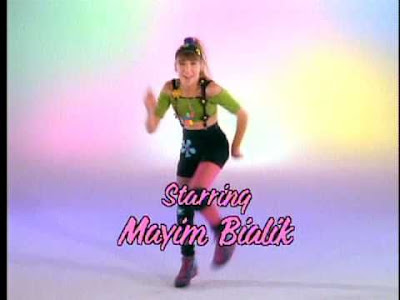


Which makes Newhart an easy choice – it has all the lush instrumentation one expects from Henry Mancini, and provides the ideal soundtrack for a summer drive through the Vermont woods.


Winner: Henry Mancini


Battle of the Detective Shows: Magnum P.I. (Post) vs. Remington Steele (Mancini)

Post’s music for Magnum P.I. boasts a memorable guitar riff and is quintessential ‘80s, which is not necessarily a bad thing. Remington Steele counters with a more classical-sounding strings section and a steady drum downbeat, followed by a sexy saxophone to accompany Steele kissing Laura’s hand. Close call, but the variations within the theme give the edge to Manci

Winner: Henry Mancini


Battle of the Superheroes: The Greatest American Hero (Post) vs. The Invisible Man (Mancini)

“Believe It Or Not” reached #2 on the Billboard Hot 100, and enjoyed an encore moment of notoriety thanks to Seinfeld’s George Costanza. But with its opening harp glissando and killer bass line, Mancini’s Invisible Man theme makes this a little closer than anticipated. Still, Post takes this round.


Winner: Mike Post


Battle of the Detective Shows, Pt. 2: The Rockford Files (Post) vs. Peter Gunn (Mancini)


This is easily the closest contest. The jazzy Peter Gunn theme is iconic; it earned Mancini both an Emmy and a Grammy, and has received praise as the best TV theme of all time. But The Rockford Files theme also won a Grammy and was a top ten hit. Two truly great and memorable pieces of music, but only one can win.


Winner: Henry Mancini


Battle of the George Peppard Series: The A-Team (Post) vs. The NBC Mystery Movie (Mancini)

The A-Team music is vintage Post, powerful military bombast perfect for a backdrop of never-ending explosions and carnage. But after just one listen the eerie, whistling theme that introduced Banacek and all the NBC Mystery installments is almost impossible to get out of your mind.


Winner: Henry Mancini


Battle of the Rogues: Hunter (Post) vs. Mr. Lucky (Mancini)

In this head-to-head between two shows about two guys unafraid to skirt the law, the winner is no contest. Mancini takes three in a row.


Winner: Henry Mancini


Battle of the Man Shows: Hooperman (Post) vs. Man of the World (Mancini)

Okay, this is starting to get embarrassing


Winner: Henry Mancini


Battle of the Forgotten Shows: Tales of the Gold Monkey (Post) vs. Kingston Confidential (Mancini)

At last, Post strikes back. His exotic, retro theme for Tales of the Gold Monkey hits the right notes for a series that claimed to be based on Howard Hawks’ Only Angels Have Wings, but really wanted audiences to think they were getting a weekly dose of Indiana Jones adventure. Kingston Confidential must have caught Mancini on an off day. 


Winner: Mike Post


Battle of the Los Angeles Based Shows: L.A. Law (Post) vs. What’s Happening! (Mancini)

It’s a testament to Mancini’s versatility that he could forego his jazzy, orchestral preferences for something as funky and bouncy as his work on What’s Happening!. 


And yet…I think Post deserves the win here. There’s a darker tone in this composition that fits a series that often explored the darker side of courtroom proceedings. And that pounding drum beat could be the pounding of a judge’s gavel. Both themes fit their respective shows well, but in this case the court rules for Post.


Winner: Mike Post


Bonus Round: Doogie Howser, M.D. (Post) vs. Hotel (Mancini)

I was ready to give one more to Mancini right away; Hotel boasts a sprawling, full-bodied theme worthy of a feature film, and it seems to have as many movements as a symphony. But Post was very clever with what he did for Doogie Howser, with a play of synth and electronic sounds that match Doogie’s computer entries and the beeps of hospital monitors. But, as I’ve always thought the best music should have a timeless quality, I’ll stick with my first choice.


Winner: Henry Mancini


And so, in this most unofficial, un-scientific and (arguably) unnecessary exercise, it is Henry Mancini who takes the title. Disagree? Let me know.

Friday, September 19, 2014

The Top 20 TV Theme Songs of the 1950s

 
I must still be in a musical mood after getting reacquainted with all those singing TV stars, so let’s spend the next few weeks on theme songs.

Last year I did a series of pieces on the essential shows of the 1950s, 60s, 70s and 80s. I’ll take the same approach with theme songs by decade. I think twenty is a good number, because it’s enough to cover the essentials but will still force some dreadful choices about which tunes to omit.

Of the four pieces, this first one on the 1950s was the most challenging; my knowledge of the TV of this decade is not as deep, and many of the themes from this era are obscured by voiceover narration and lengthy sponsor plugs. A lack of diversity resulted in countless shows featuring generic orchestral melodies and brass fanfares, so as a result I’ve been force to cheat with a couple of the choices (which will be acknowledged in those respective entries).

Ready? Here we go.

The Twilight Zone
It’s the most unique and progressive composition on this list, so even though the entries are not ranked in order The Twilight Zone still deserves the top spot. Composer Marius Constant’s dissonant, avant-garde mix of guitars, bongos, saxophone and French horn doesn’t sound like any other 1950s music on TV or anywhere else. 


The Lone Ranger
Yes, this is my first cheat. The theme is Rossini’s stirring William Tell Overture, but no other classical music piece is more closely associated with a TV show than this one.

Dragnet
As with The Twilight Zone, most TV fans can still name this tune in four notes. Composed by Walter Schumann, the somber theme was actually titled “Badge 714” and was first heard on the Dragnet radio series.

Rawhide
Western shows dominated television in the latter half of the 1950s. It’s debatable whether  Rawhide was the best of them, but it certainly had the best theme, especially with those memorable whip-crack punctuations. It was recorded by Frankie Laine, and revived for a new generation by the Blues Brothers in 1980.


American Bandstand
TV’s most prominent early rock-n-roll showcase had a boogie theme that was not as rebellious as the new music genre it helped to popularize. But it endured for more than 30 years, and enjoyed a 1970s revival after Barry Manilow added a lyric.

The Jackie Gleason Show
“Melancholy Serenade” was not created for the comedian’s classic variety show, but it was composed by Jackie Gleason himself and performed by his orchestra, which recorded several best-selling instrumental albums in the 1950s and ‘60s. 


Peter Gunn
Henry Mancini’s jazzy theme, played by guitarist Duane Eddy, is another of the most instantly recognizable ‘50s themes, and set the perfect tone for this hard-boiled crime series. It’s been covered dozens of times by jazz and blues musicians and, like the theme from Rawhide, was also featured in the Blues Brothers movie.


Alfred Hitchcock Presents
It would be hard to imagine a more appropriate introduction to this macabre anthology series than “Funeral March for a Marionette,” by the French composer Charles Gounod. 


The Mickey Mouse Club
“The Mickey Mouse Club March,” composed by genial head Mouseketeer Jimmie Dodd, is one of the great singalong tunes of TV’s golden age. If you were a kid at the time you probably still remember all the words.

Johnny Staccato
Here’s a case where both the series, a Greenwich Village crime drama starring John Cassavettes, and the jazzy music (by Oscar-winning composer Elmer Bernstein) should be much better known and celebrated than they are. The show lasted only one season but is available on DVD. 


The Donna Reed Show
Multiple versions of the same theme were heard throughout the series’ eight seasons, but the best one was the first, with its slower tempo and refined, string quartet arrangement, which builds to a lovely harp glissando as Donna Stone cheerfully sends her family out into the world.

The Rifleman
You don’t get to hear as much as you might like of Herschel Gilbert’s theme at the start of each episode, best remembered by Chuck Connor’s rapid rifle fire. But the longer version played over the closing credits and was better than anything in series costar Johnny Crawford’s discography.

M Squad
The brassy swing of Ernie Wilkins’ theme was popular enough to be covered by both Harry James and Count Basie. It was also the inspiration for the music heard in the Naked Gun movies and Police Squad! TV series, which I guess was meant as a compliment. 


The Lawrence Welk Show
Your grandmother’s favorite appointment TV was all about the bright, shining sounds of champagne music, exemplified in its opening theme, “Bubbles in the Wine.” What once seemed corny now sounds sweetly nostalgic and reassuring.

Bronco
A lot of 1950s themes tried to tell the entire story of the show in a few measures of music. Bronco offered one of the better examples of this. In just 90 seconds you’ll hear three verses and a chorus that provide a thorough introduction to Ty Hardin’s cowboy hero, Bronco Layne. 

Mama
Here’s another cheat – the theme to this TV adaptation of the movie I Remember Mama was adapted from the Holberg Suite by Norwegian composer Edvard Grieg.

Leave it To Beaver
While I confess it’s not one of my personal favorites, the Leave it to Beaver theme is certainly one of the quintessential TV tunes of its era, and instantly conjures images of the family sitcom at its most wholesome.

Zorro
The other heroic masked rider of 1950s TV didn’t have Rossini in his corner like the Lone Ranger, but he did have the expert tunesmiths at Disney, who created a stirring theme that became a top 20 hit for The Chordettes. 


I Love Lucy
For more than 60 years the I Love Lucy theme has been one of the medium’s most familiar melodies. The composer is Eliot Daniel, who wrote it as a favor for his friend, series producer Joss Oppenheimer – as long as Oppenheimer agreed to keep his name off the show. At the time Daniel didn’t think much of television and figured I Love Lucy would never last. He changed his mind by the second season (and happily collected royalties for the next 40 years). Lyrics (by Harold Adamson) were added for a memorable third season episode. 


The Deputy
Who would have guessed that an uncommon theme would be the most interesting part of a TV western starring Henry Fonda? The show was fairly typical of its time and genre despite Fonda’s gravitas, but the sound of that electric guitar was something no one would associate with westerns until Ennio Morricone began scoring the Sergio Leone films.

Next: The Top 20 Themes of the 1960s